






Molar distalization buys arch length without extractions. When a Class II molar relationship or mild-to-moderate crowding does not warrant taking teeth out, moving the molars distally can open the space the case needs. The clinical questions are which cases suit it, which appliance to use, and how to control the anchorage loss that has always been distalization’s weak point.
What molar distalization is
Distalization moves molars posteriorly (distally) to gain space in the arch and correct the molar relationship, most often to resolve a Class II into a Class I. It is a non-extraction, usually non-headgear approach to a space problem: instead of removing teeth or relying on patient-worn headgear, a fixed appliance drives the molars back and the freed space is used to relieve crowding, retract anterior teeth, or make room for erupting or ectopic teeth.
When to distalize molars
- Class II molar relationship that is dental in origin, where moving the upper molars distally establishes a Class I bite.
- Mild to moderate crowding where the arch-length deficiency can be solved without extractions.
- Space regaining after early loss of a primary tooth let the first molar drift mesially.
- Making room for an ectopically erupting tooth or a blocked-out canine.
Distalization is less predictable when the discrepancy is skeletal rather than dental, when crowding is severe, or in the mandibular arch, where distalizing lower molars is harder and often needs skeletal anchorage.
Compliance vs non-compliance distalization
The shift over the last few decades has been away from compliance-dependent distalization. Headgear can distalize upper molars effectively, but only if the patient wears it, and adolescent wear is unreliable. Non-compliance intramaxillary appliances (the distal jet, the pendulum, and their relatives) do the work from inside the mouth without depending on the patient, which is why they became the default for predictable distalization. The trade-off they introduced is anchorage loss, addressed below.
The appliance options
There are four broad ways to distalize, and the right one depends on the anchorage demand and the case:
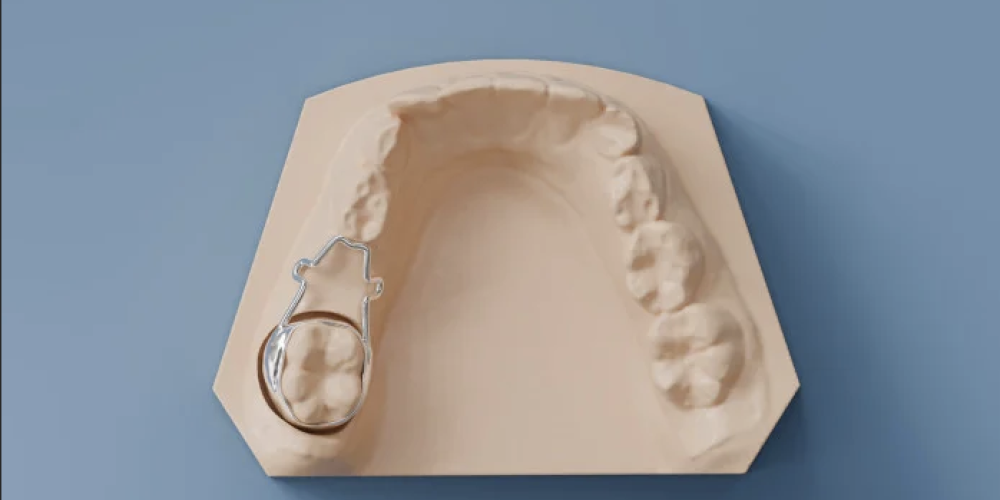
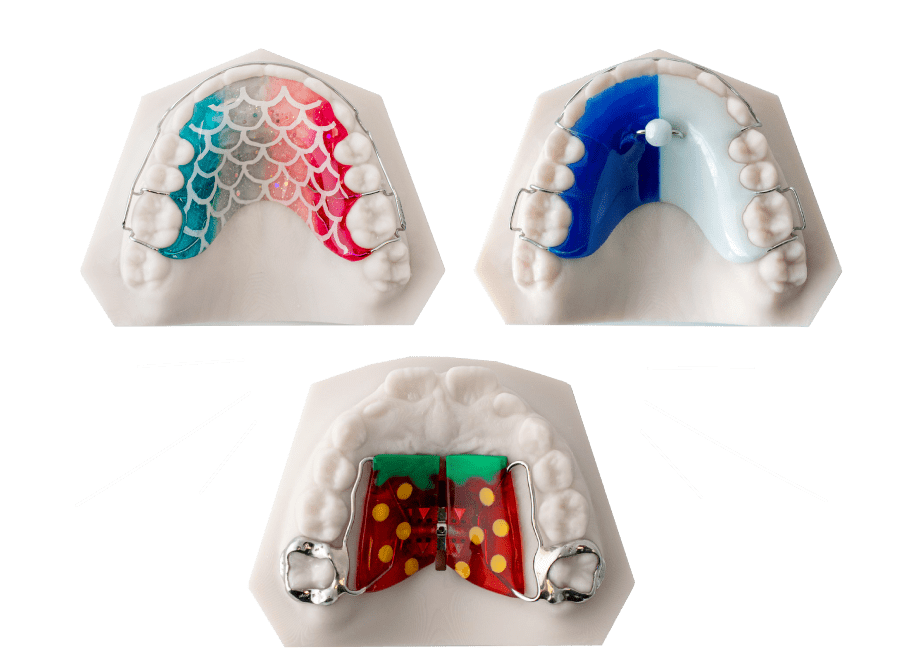
- Fixed intramaxillary appliances (distal jet, pendulum). Palatally based, non-compliance appliances that push the molars distally against an anterior anchorage unit. The distal jet offers unilateral or bilateral distalization plus molar rotation correction in one appliance and is relatively low-profile. The Hilgers pendulum uses springs from a Nance-style palatal button to swing the molars distally. Both are workhorses for upper-arch distalization.
- TAD or miniscrew-supported distalization. Skeletal anchorage has changed distalization the most. Anchoring the appliance to a miniscrew rather than to the anterior teeth removes the reciprocal forces that flare incisors and lose anchorage, giving cleaner, more bodily molar movement and shorter treatment.
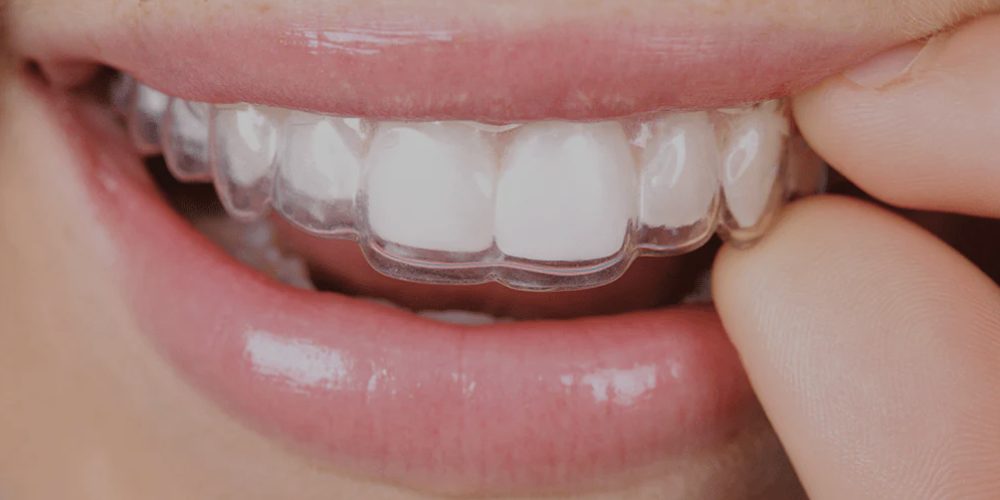
- Clear aligners. Aligners can sequence molar distalization with staged movement and, often, TAD or elastic support, which suits patients who want an esthetic option.
- Headgear. Still effective, but compliance-dependent and largely superseded by the non-compliance options for routine cases.
Distal jet vs Hilgers pendulum
Both are fixed, palatally based, non-compliance distalizers, and the choice comes down to the movement and the profile:
- Distal jet: generates distalizing force along the palatal aspect, handles unilateral or bilateral movement, and corrects molar rotation at the same time. Its lower-profile design and adjustability make it a common first choice, and it can often be converted to a holding or retraction appliance after distalization.
- Hilgers pendulum: delivers a strong, continuous distalizing force through beta-titanium springs off a Nance button. It is efficient at moving molars quickly but tends to tip the molars more and load the anterior anchorage harder, so anchorage management matters.
See the full distalization appliance line for the options and how each is built.
The anchorage-loss problem
The classic limitation of tooth-borne distalizers is Newton’s third law: the same force that drives the molars back pushes the anterior anchorage unit forward. That shows up as incisor flaring, loss of the space you just gained, and a less bodily, more tipped molar movement. Three things mitigate it: a robust anterior anchorage unit (a Nance button spreads the reactive force across the palate), staged mechanics, and, most decisively, skeletal anchorage. A miniscrew takes the reaction out of the dentition entirely, which is why TAD-supported distalization has become the reference standard when maximum anchorage is needed.
How much space it gains and how it sequences
Realistic upper-molar distalization is on the order of a few millimeters per side, enough to convert a dental Class II or resolve mild-to-moderate crowding, not a substitute for extractions in a large discrepancy. Mechanically the molars go first, then the premolars and canines follow into the opened space, either driven back sequentially or retracted as a group once the molars are held. Plan the holding phase into the sequence from the start: the space you gain is only useful if it is not lost while the rest of the arch catches up.
Vertical control and case selection
Distalization is not vertically neutral. Tooth-borne appliances that tip the molars distally can extrude them and rotate the mandible down and back, which opens the bite. That is usually acceptable in a low-angle, deep-bite patient and can even help, but it is a real caution in a high-angle, hyperdivergent, or open-bite tendency case, where added molar extrusion works against you. Skeletal anchorage helps here too, because bodily movement off a miniscrew adds less vertical than tipping mechanics. Weigh the facial pattern and the bite before committing to a distalizer.
Unilateral vs bilateral, and maxillary vs mandibular
Distalization can be unilateral when only one side is Class II, and an appliance like the distal jet can be set up for one side while holding the other. Bilateral distalization is the more common need. Maxillary distalization is well established and predictable; mandibular molar distalization is more difficult because of the denser bone and the anatomy, and it usually relies on skeletal anchorage or a lower lingual arch for reinforcement.
Holding the correction
Once the molars are back, they want to relapse mesially until the occlusion and the rest of the mechanics stabilize them. Many distalizers are designed to convert into a holding appliance, and a Nance button or a transpalatal arch is commonly used to hold the corrected molar position while premolars and canines are retracted. Building the holding stage into the appliance choice up front saves a separate appointment and protects the millimeters you worked to gain.
What to expect clinically
Active distalization of the upper molars typically takes a few months, followed by a holding phase to stabilize the corrected position while the rest of the mechanics catch up. Monitor for the amount of true bodily movement versus tipping, for anchorage loss at the anterior unit, and for tissue health under palatal buttons. A well-fitted appliance seated on precise bands is what keeps the force system doing what you designed and reduces breakages that stall the case.
How ODL fabricates distalization appliances
ODL fabricates distalization appliances in our FDA-cleared facility from your scan, including the distal jet and the Hilgers pendulum, built with precise bands and force systems to your specification. Because each case lives as a digital file, adjustments and reorders are fast, and the appliance seats cleanly so it delivers the movement you planned. Distalization is one of the non-extraction routes to Class II correction, alongside fixed functional correctors.
Distalization by ODL
Need a distalizer that delivers the movement you planned?
ODL fabricates the distal jet, Hilgers pendulum, and TAD-ready distalization appliances to your scan, with precise bands and force systems built to seat cleanly and hold. Fabricated to fit and shipped on time.
Explore distalization appliancesMolar distalization FAQ
What is molar distalization used for?
It moves molars distally to gain arch length and correct a Class II molar relationship without extractions, and to regain space or make room for erupting teeth.
What are the methods of molar distalization?
The main methods are fixed intramaxillary appliances (distal jet, Hilgers pendulum), TAD or miniscrew-supported distalization, clear aligner distalization, and headgear. Non-compliance fixed and TAD-supported options are the most predictable.
What is non-compliance molar distalization?
It is distalization driven by a fixed intraoral appliance rather than patient-worn headgear, so it does not depend on compliance. The distal jet and pendulum are the classic non-compliance distalizers.
What is the difference between a distal jet and a pendulum?
Both are fixed palatal distalizers. The distal jet is lower-profile, handles unilateral or bilateral movement with molar rotation correction, and is adjustable. The Hilgers pendulum uses beta-titanium springs off a Nance button for strong, fast distalization but tends to tip molars more and load anchorage harder.
How do TADs help with molar distalization?
A miniscrew anchors the distalizing force to bone instead of the anterior teeth, eliminating the reciprocal forces that flare incisors and lose anchorage. This gives more bodily molar movement and is the reference standard when maximum anchorage is needed.
Can you distalize lower molars?
Yes, but it is harder than in the maxilla because of denser bone and anatomy, and it usually relies on skeletal anchorage or a lower lingual arch for reinforcement.