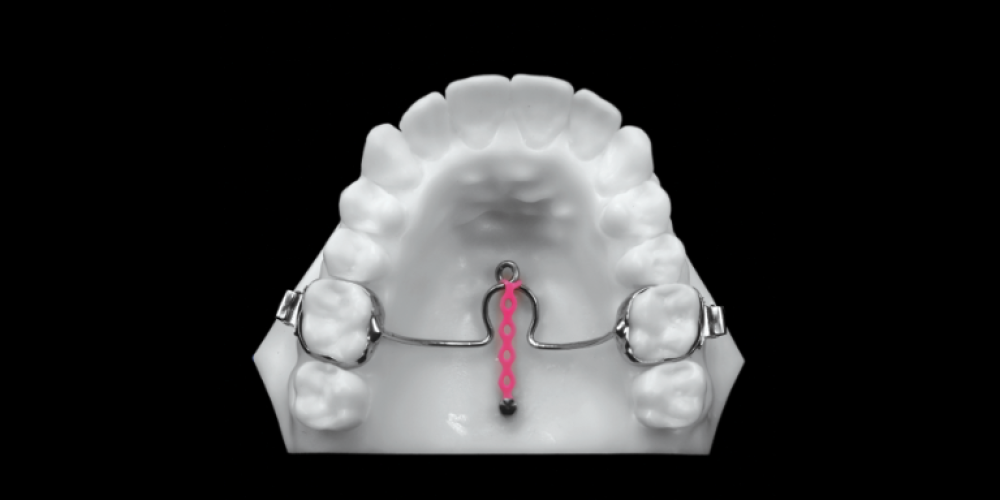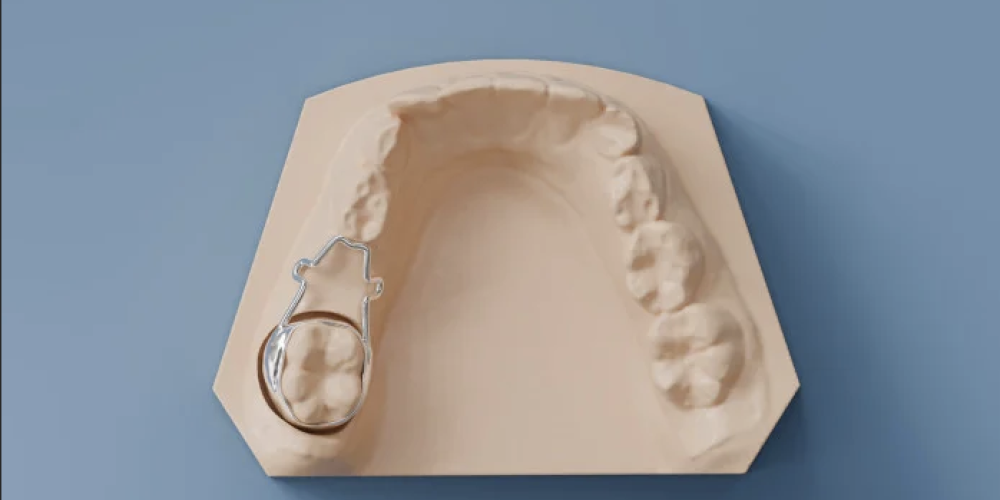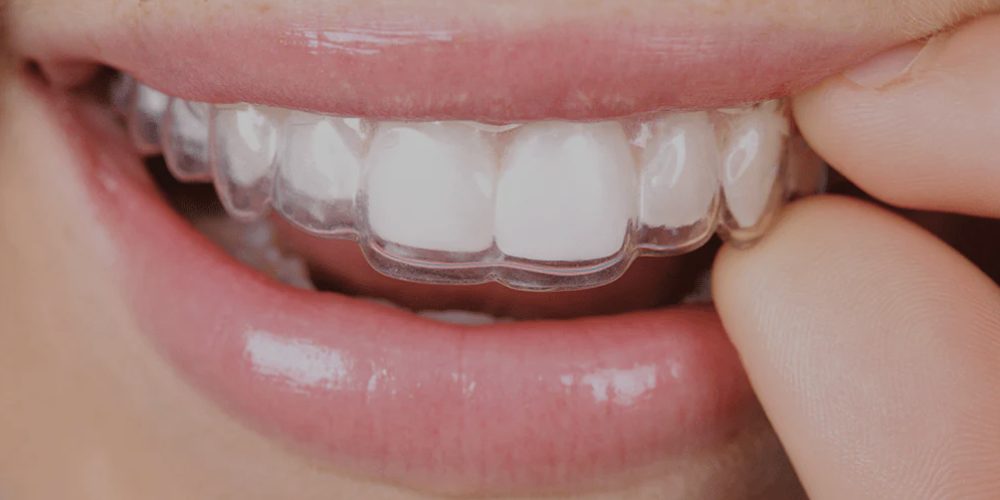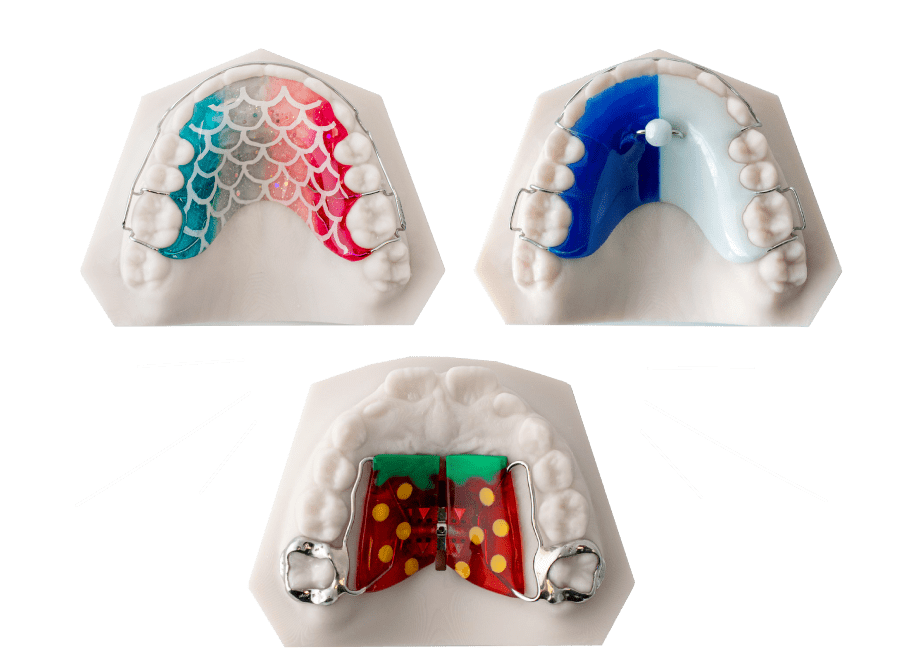







A patient comes in two years after braces, proud of their smile, but the lower incisors have shifted. They admit they stopped wearing their removable retainer after just a few months. This scenario is common, and studies estimate relapse rates as high as 50% when retention isn’t maintained properly (National Elf Service). Orthodontists know retention isn’t a “one-size-fits-all” conversation. The choice between a bonded retainer and a removable retainer shapes long-term stability, patient satisfaction, and practice efficiency.
This article breaks down the realities: how each retainer works, why failures happen, where new designs are heading, and how digital workflows are changing the game. ODL Orthodontics has spent five generations refining appliances with precision, and bonded retainers are no exception.
Source: OrthodonticExprts
Case Example
One practice in New York reported higher patient satisfaction with bonded retainers among teens who struggled with compliance, while adults appreciated Essix retainers for whitening compatibility and discretion during professional life (SmileWorksNYC).
A bonded retainer is a thin wire fixed to the lingual surface of the anterior teeth with composite, so retention does not depend on the patient. The decision between a bonded retainer and a removable one is mostly about the case (lower incisor crowding history, periodontal status, hygiene) and less about preference, and the sections below work through it.
Bonded Retainer vs. Removable: What’s the Real Difference?
Design, Durability, and Compliance A bonded retainer is a thin wire fixed to the lingual surface of 4–6 anterior teeth. Nearly invisible, it doesn’t depend on patient compliance. It works 24/7. But that strength comes with trade-offs: cleaning challenges and the potential for unnoticed breakage. Studies show average lifespans between 5–10 years, sometimes longer with proper care (PMC). Removable retainers, whether Hawley or Essix, cover the arch and protect more teeth. They’re easier to clean, but entirely dependent on patient behavior. Research confirms relapse risk spikes sharply when patients skip wear (Nature).- Are bonded retainers better than removable? Not universally. Bonded retainers eliminate compliance issues but don’t stabilize the full arch. Removable retainers protect all teeth but require daily wear.
- Can you have both? Yes. Some orthodontists prescribe both, bonded for anterior teeth, removable at night for arch stability.
| Feature | Bonded Retainer | Removable Retainer |
| Design | Wire bonded behind front teeth | Hawley (wire/acrylic) or Essix (clear tray) |
| Durability | 5–10 years, sometimes longer | 1–3 years (Essix), 5–8 years (Hawley) |
| Compliance | Always in place, no patient effort | Depends on consistent wear |
| Hygiene | Harder to floss, plaque/tartar risk | Removed for cleaning and meals |
| Arch Coverage | Only bonded teeth (usually front) | Full arch stabilization |
| Aesthetic Impact | Invisible from front | Visible wire (Hawley) or clear plastic |
| Cost (per arch, 2025 avg) | $200–$700 | $100–$350 |
Why Bonded Retainers Fail, and How to Prevent It
Bonded retainers are not indestructible. Failure rates hover around 28–35% and can exceed 50% after several years (Research Manchester). Understanding why they fail is key to prevention. Common Causes- Adhesive Debonding: The leading issue, often from poor enamel prep or moisture during bonding.
- Wire Breakage: Less common, but associated with trauma, bruxism, or design flaws.
- Plaque/Tartar Accumulation: Raises caries and gingivitis risks if flossing is inconsistent.
- Poor Adaptation: Improper wire shaping or inadequate composite coverage.
- Placement Protocols: Strict isolation, sandblasting enamel, precise wire adaptation.
- Material Selection: Multi-strand stainless steel wires outperform most alternatives.
- Digital Workflows: CAD/CAM-designed retainers show 25–40% fewer repairs in studies (Kevin O’Brien Orthodontics Blog).
- Patient Education: Teaching floss threader or water flosser use, avoiding sticky foods, and scheduling regular checks.
- Why does my bonded retainer keep breaking? Most break due to adhesive failure at the enamel interface or trauma to the wire. Proper bonding technique and material selection reduce this risk.
- How long should a bonded retainer last? With proper placement and hygiene, 5–10 years is common, though some last longer.
Placement and Design: Step-by-Step Precision in 2025
Bonded retainer success comes down to precision. Here’s the stepwise approach many orthodontists are adopting in 2025: Step-by-Step Protocol- Clean and isolate teeth completely. Moisture is the enemy.
- Etch enamel 15–30 seconds, rinse, dry.
- Apply adhesive resin thinly and position wire precisely, light-curing each tooth.
- Smooth resin edges to prevent plaque traps, check occlusion carefully.
- Final inspection: confirm flossing access and wire adaptation.
- PEEK Wires: Biocompatible, MRI-safe, and nearly unbreakable.
- Multi-Strand Stainless Steel: Still the gold standard for cost-effectiveness and flexibility.
- Custom CAD/CAM Milled Wires: High-precision adaptation with minimal adjustments.
- Which bonded retainer wire is best? Multi-strand stainless steel remains most common, but PEEK is gaining traction for high-risk patients.
- Are digital workflows worth it? Yes. They reduce placement errors, lower failure rates, and save chair time.
Cost, Longevity, and the Hidden Value of Digital Workflows
Cost Comparison- Bonded retainers: $200–$700 per arch, lasting 10–20 years in many cases.
- Essix retainers: $100–$300, usually replaced every 1–3 years.
- Hawley retainers: $150–$350, lasting 5–10 years.
- Less chair time for impressions and wire adaptation.
- Digital records allow fast remakes if breakage occurs.
- CAD/CAM retainers show up to 40% fewer failures compared to manual versions.
- Is a bonded retainer cheaper long term? Often, yes. While initial costs are higher, reduced replacements and fewer repair visits balance the equation.
- Does insurance cover bonded retainers? Coverage varies; some plans treat them as elective, others as post-orthodontic necessity.
Custom bonded retainers
Going with a bonded retainer?
ODL fabricates custom lingual bonded retainers with pre-formed pads and a transfer tray, built for fast, accurate chairside bonding.
Order a bonded retainer