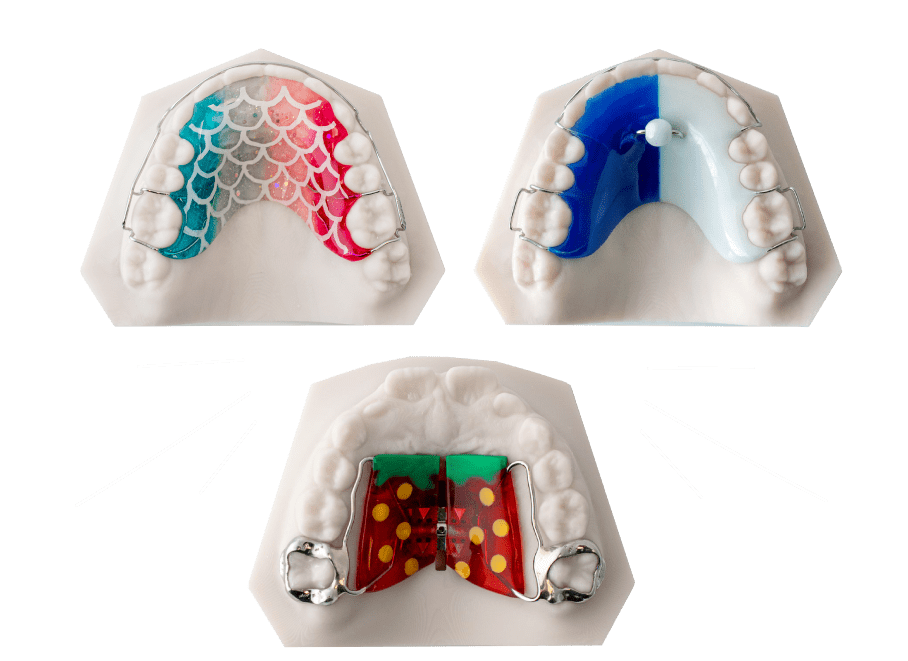

If you’ve ever had your lab tech call in sick on a day when five patients were scheduled to pick up appliances, you already know the particular kind of stress that comes with running an in-house orthodontic lab. It’s the kind of problem that doesn’t have a quick fix. You can’t just pull someone else off the schedule to finish those retainers.
At The Wyrick Outlook, we work with orthodontic practices across the country to build systems that actually function under pressure. And one of the recommendations we find ourselves making over and over is this: stop trying to run your own lab. Outsource it to people who do it better than you ever could. For our clients, that partner is ODL (Orthodent Laboratory).
Here’s what most practice owners don’t want to admit — your in-house lab is probably costing you more than you realize. Not just in dollars, but in mental energy, team bandwidth, and operational headaches that pull focus away from patient care. Let me walk through why we push practices toward outsourcing their orthodontic lab work, and why ODL has earned our trust.
1. Consistency You Can Rely On
The number one complaint we hear from orthodontists about in-house lab work isn’t cost. It’s inconsistency.
Think about your own experience. Some weeks everything comes out right. Other weeks, you’re spending extra chair time making adjustments because something’s slightly off. That variability adds up fast when you’re seeing a full schedule of patients.
ODL employs technicians who make orthodontic appliances all day, every day. That’s their entire focus. They’re not splitting attention between lab work, answering phones, and restocking supplies the way your in-house person probably is. When appliance fabrication is someone’s sole responsibility, the quality shows.
There’s a counterintuitive truth worth mentioning here: the “control” you think you have with an in-house lab is often an illusion. You might feel like you have more oversight, but what you actually have is more variability. When you hand production off to specialists who’ve refined their processes across thousands of cases, you trade perceived control for actual predictability. Most practices find that trade works heavily in their favor.
2. Reduced Overhead and Simplified Operations
Let’s talk about money, because I know some of you skipped ahead to read this section.
Running an in-house lab comes with costs that don’t appear on any single line item. There’s the obvious stuff — equipment, materials, wages, benefits. But then there’s everything that sneaks up on you. Equipment breaks and you need a repair tech who can come out this week. Materials get wasted from errors or because they sat too long. Your lab person needs training on new techniques, and someone has to manage that process.
Have you actually calculated what your in-house lab costs when you factor in all of it? Most practice owners we talk to haven’t. When they do the math honestly, the number is usually higher than they expected.
When you outsource to ODL, you pay for finished appliances. That’s it. No equipment maintenance, no managing another employee’s schedule and development, no inventory headaches. Your accounting gets cleaner and your operations get simpler. There’s real value in having fewer things to manage, even beyond the direct cost savings.
3. More Time to Focus on What Matters
Here’s a question worth sitting with: What would change in your practice if your team had an extra five to ten hours per week?
That’s roughly what most practices recover when they stop managing in-house lab work. And it’s not just the hours spent physically fabricating appliances. It’s the mental load — tracking cases through production, troubleshooting when something goes wrong, managing supplies, dealing with equipment issues, supervising another team member.
We coach practices on building systems that reduce chaos and create clarity. Outsourcing your orthodontic lab is one of the fastest ways to remove a recurring source of friction. Your treatment coordinator can actually focus on treatment coordination. Your clinical team can focus on patient care. Nobody gets pulled away to handle a lab emergency.
You probably didn’t get into orthodontics because you wanted to run a small manufacturing operation. Outsourcing lets you stop pretending that’s part of your job.
4. Access to Cutting-Edge Technology Without the Price Tag
Digital orthodontics has moved fast over the past several years. 3D printing, digital scanning workflows, advanced materials — keeping current requires constant investment in equipment and training.
Here’s where outsourcing becomes particularly interesting. ODL invests in that technology so you don’t have to. They run current 3D printers, use modern CAD/CAM workflows, and their technicians receive ongoing training as techniques and materials evolve.
Your practice benefits from all of that capability without writing a check for equipment that might be outdated in a few years. You don’t have to send staff to training programs or figure out how to integrate new systems into your existing workflow. ODL handles the complexity on their end and delivers you a finished product that meets current standards.
Ask yourself: how much have you spent on lab equipment over the years, and how efficiently is it actually being used? For most practices, the honest answer isn’t flattering. Some have even converted former lab space into additional operatories after making the switch — turning a cost center into a revenue generator.
5. Scalable Support as Your Practice Grows
Growth creates problems. Good problems, but problems nonetheless.
When your case volume increases, lab capacity has to keep pace. If you’re running in-house, that means hiring additional staff, purchasing more equipment, possibly expanding your physical space. Each of those decisions requires time, money, and carries risk if you misjudge demand.
ODL scales with you automatically. Whether you’re sending fifty cases per month or several hundred, their capacity adjusts to your needs. Turnaround times stay consistent. Quality stays consistent. You don’t have to make hiring decisions or capital investments based on projected growth that may or may not materialize.
For practices with expansion plans — whether adding associates or opening new locations — this flexibility matters. You can grow without having to build out lab infrastructure at every step.
6. Streamlined Digital Tracking and Communication
If you’ve ever had a case go missing somewhere in the process, or spent time on the phone trying to get a status update, you understand how communication gaps create problems.
ODL operates a digital system that allows real-time case tracking. You submit prescriptions online, receive notifications as cases move through production, and can check status without making phone calls. Your front desk can give patients accurate information about when their appliances will be ready. Your schedule stays intact because you’re not guessing at delivery dates.
This visibility might sound minor until you consider the alternative. How many appointments have you rescheduled because an appliance wasn’t ready when expected? How much staff time goes into chasing down case status? Those inefficiencies add up, and they affect patient experience in ways that are hard to quantify but easy to feel.
7. Improved Team Efficiency and Morale
This benefit doesn’t get discussed enough.
Running an in-house lab typically means someone on your team wears multiple hats. Maybe an assistant handles lab work between patients. Maybe your office manager deals with supply orders and equipment issues on top of their regular duties. That kind of role sprawl leads to burnout.
When you outsource lab work, people can focus on what they were actually hired to do. Clinical staff handles clinical work. Administrative staff handles administrative work. Nobody context-switches between patient care and appliance fabrication.
There’s a morale component here that’s hard to measure but very real. When team members aren’t stretched across too many responsibilities, they tend to feel less scattered and more competent at their actual jobs. They can develop expertise instead of spreading themselves thin. That matters for retention, and it matters for the quality of work they produce.
Our Takeaway at The Wyrick Outlook
Outsourcing your orthodontic lab isn’t about cutting corners or finding the cheapest option. It’s about recognizing where your practice’s time and energy create the most value.
You trained to treat patients, not to manage a manufacturing operation. Your team was hired to create excellent patient experiences, not to troubleshoot equipment or track down missing cases. Every hour spent dealing with lab issues is an hour not spent on things that grow your practice and serve your patients well.
Partnering with ODL gives you the consistency, quality, and reliability that patients expect — without the operational burden of producing it yourself. Their team handles the technical fabrication while your team handles the human side of care. That division of labor makes sense for everyone involved.
If your goal is running a practice that operates more smoothly, generates better margins, and causes less stress, outsourcing your lab is one of the clearest opportunities available. And if you’re going to outsource, you want a partner who treats your cases with the same attention you would. That’s why we recommend ODL, and why we’ll continue recommending them.
The practices that make this shift tend to wonder why they waited so long. Meanwhile, the ones still wrestling with in-house labs keep dealing with the same problems month after month.