





Last updated: May 2026
What a Twin Block Does (and What Has to Be True for It to Work)
A Twin Block works when the kid wears it. That sounds obvious. It’s also the single biggest variable in whether a 9-month treatment plan stays a 9-month treatment plan or becomes a 14-month restart with a different appliance. Everything else about the Twin Block (the acrylic blocks, the inclined planes, the growth window, Dr. William Clark’s original 1977 design) is downstream of that one fact. This guide is for parents whose child has been told they need a Twin Block, and for orthodontists or pediatric dentists deciding whether Twin Block is the right call vs Herbst, MARA, or Casper for a specific Class II case. ODL fabricates all four of these appliances, which gives the lab a perspective on when each one fits the patient.What a Twin Block Actually Does
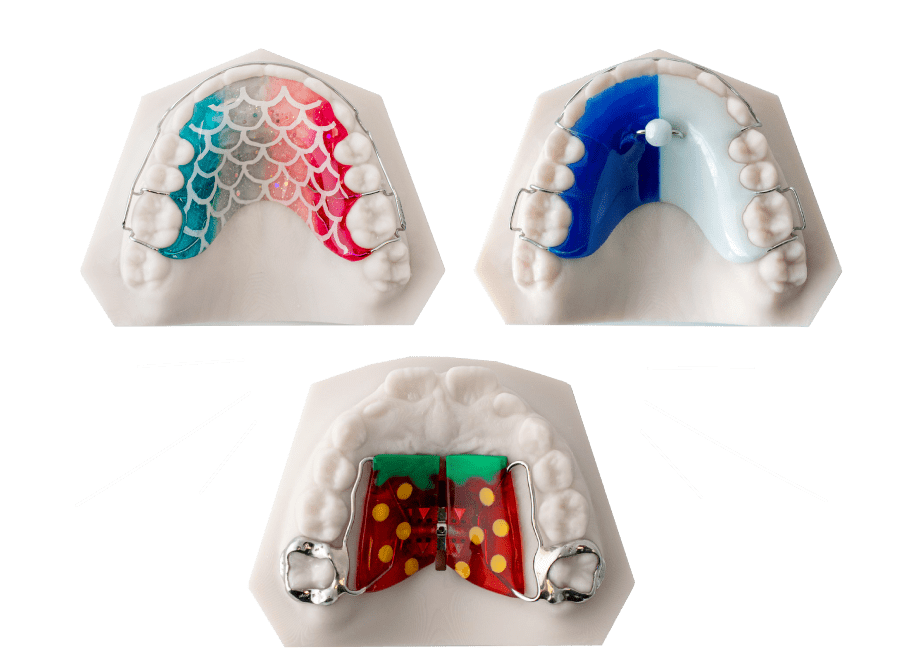
A Twin Block is a removable functional orthodontic appliance with two acrylic components, one for the upper arch and one for the lower. The blocks have angled surfaces that interlock when the patient bites down, holding the lower jaw in a forward position. With the lower jaw posted forward 22 hours a day during a child’s growth phase, the mandibular condyle adapts and grows in that forward position, correcting the underlying skeletal Class II relationship rather than just tipping teeth. The appliance was developed by Dr. William Clark in Scotland in 1977 and has been a standard functional orthopedic appliance ever since. ODL fabricates Twin Blocks with Adams clasps for retention and an optional upper midline screw for arch expansion. For the fabricated detail, see the Twin Block product page.When a Twin Block Is the Right Call
The Twin Block is indicated for: Class II Division 1 malocclusion in growing patients. This is the most common indication. The lower jaw sits behind where it should, the upper incisors protrude, and the patient is in active growth (typically age 9 through 14, though the window varies by individual maturation). Twin Block treatment uses that growth to advance the mandible into a Class I relationship. Mandibular retrusion with skeletal component. If the Class II is dental only (the teeth are tipped, but the jaw relationship is correct), a Twin Block isn’t the right tool. Skeletal Class II with a retruded mandible is where the Twin Block’s growth modification approach actually delivers. Cases where a removable functional appliance fits the patient. This is the constraint everyone underplays, and it’s covered in detail in the compliance section below. The Twin Block isn’t the right call when:- The patient is past the active growth window (older teens with closed growth plates won’t get the skeletal response)
- The Class II is purely dental with no skeletal component (orthodontic alignment alone handles those)
- The Class II is severe enough to need surgical evaluation or a more aggressive fixed appliance approach
- The patient has compliance concerns that make a fixed appliance the better starting point
Twin Block vs Herbst, MARA, and Casper
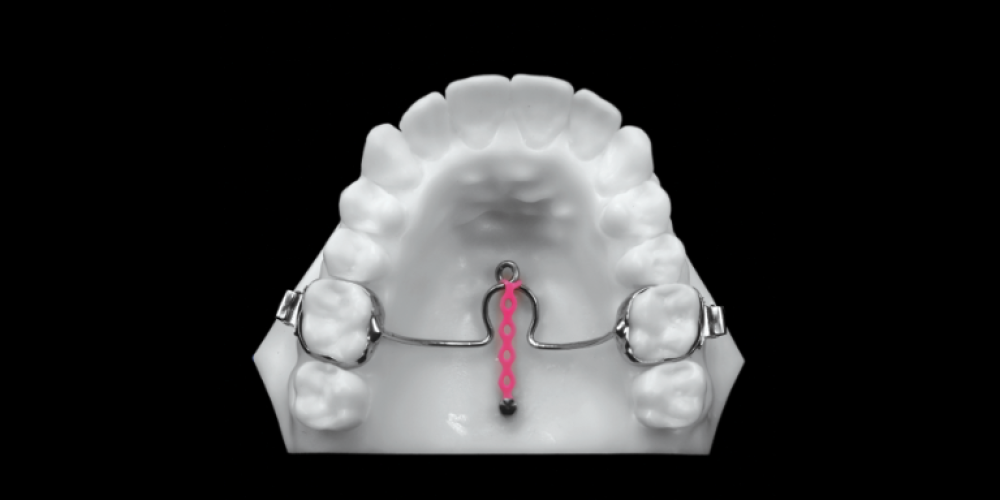
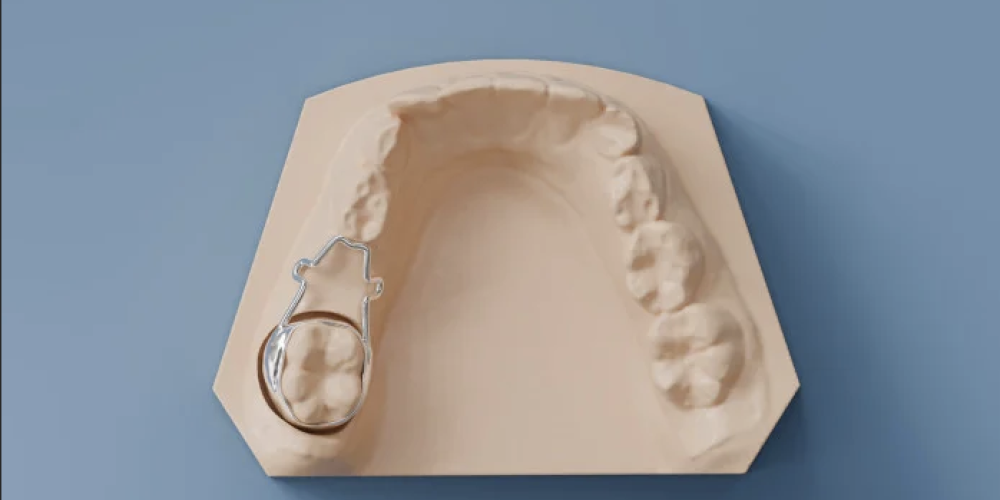
Four appliances cover most of what orthodontists prescribe for Class II correction in growing patients. They overlap in indications but differ on compliance dependency, treatment time, comfort, and cost. The right choice depends on the patient, not on what the orthodontist is most familiar with. Twin Block (removable). Acrylic blocks with inclined planes. Patient takes it in and out. Treatment runs 9 to 12 months when worn 22 hours a day. Best for compliant growing patients with skeletal Class II Division 1. Comfortable to wear once adapted, low irritation, easy hygiene because it comes out for cleaning. Total compliance dependency. Herbst (fixed). Telescoping arms cemented to molar bands. Patient can’t take it out. Treatment runs 9 to 12 months. Best for non-compliant growing patients or cases where 22-hour wear isn’t realistic. Higher initial soreness and chairside time; risk of bracket breakage and irritation. Zero compliance dependency. See the Herbst alternative comparison for fabrication-side detail. MARA (fixed). Mandibular Anterior Repositioning Appliance. Functions similarly to Herbst but with a different mechanical design (no telescoping arms; uses elbows that engage when the patient bites). Lower breakage rate than Herbst in many practices. Same compliance profile (zero dependency). Best for non-compliant patients where the orthodontist prefers MARA’s mechanical design or has had Herbst breakage issues. Casper (fixed, ODL). ODL’s named Class II corrector designed as a Herbst alternative with reduced bulk and better tissue management. Same fixed-appliance compliance profile. Best for orthodontists who want a fixed Class II corrector with cleaner fit and fewer adjustment visits. See the Casper Class II corrector page for the named product detail. Decision frame:- Compliant patient, moderate skeletal Class II, age 9 through 14, growing → Twin Block (lower cost, lower risk, comfortable)
- Non-compliant patient or unrealistic wear expectation → Herbst, MARA, or Casper (fixed, removes compliance from the equation)
- Patient with Herbst breakage history or tissue management concerns → MARA or Casper
- Severe Class II or non-growing patient → talk to the orthodontist about staged or surgical alternatives; functional appliance alone won’t be enough
The Compliance Question
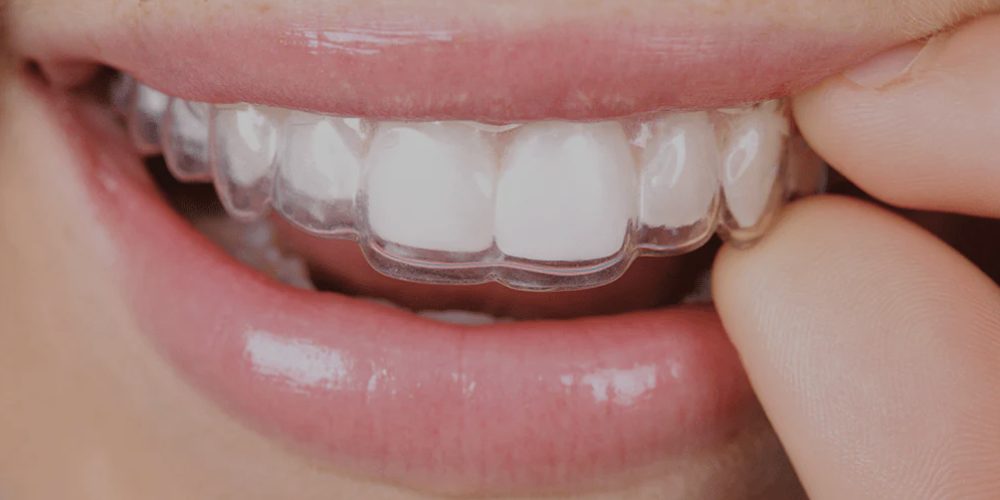
Here’s what it actually means to wear a Twin Block. A Twin Block needs to be worn 22 to 24 hours a day. That means in during meals (the inclined planes need to engage during chewing for the appliance to do its job), in during school, in during sleep, and only out for brushing and a brief case-cleaning routine. For most kids, the first two weeks involve real pushback. The appliance feels bulky. Speech is awkward for a few days. Eating with it in is harder than eating without. Kids who’ve never worn an appliance before often try to negotiate it down to “only at night.” A Twin Block worn only at night is a Twin Block doing a fraction of its job, and the bite correction doesn’t happen on the timeline the orthodontist planned. What treatment failure actually looks like: month 3 follow-up, the orthodontist measures overjet and finds little to no change. Conversation with the patient and parent reveals the appliance has been worn maybe 12 hours a day, mostly at night, plus weekends. The treatment plan resets. Sometimes the orthodontist pushes for better compliance. Sometimes the case shifts to a fixed appliance (Herbst, MARA, or Casper) because the compliance pattern is established and unlikely to change. For parents reading this: the Twin Block is a great appliance when the kid will wear it. If you already know your child won’t wear a removable appliance 22 hours a day, that’s worth saying out loud at the consultation. The orthodontist would rather have that conversation before fabrication than at the 3-month follow-up. A fixed appliance is a real option, and for the right patient, it’s the better one. For orthodontists: the consultation conversation about compliance is part of case selection. Patients and parents who haven’t been asked directly tend to overestimate how compliant they’ll be. Asking specifically about how the kid handles other 22-hour wear scenarios (retainers, mouth guards, glasses) gets a more accurate read than asking “will you wear this?”What Treatment Looks Like Month by Month
Fitting appointment. The orthodontist seats the appliance and walks the patient through how to insert and remove it. The Adams clasps engage on the back molars; the patient learns to bite down so the inclined planes interlock correctly. Patients typically describe the first sensation as “really full.” There’s no real pain. Speech is awkward for the first few days. Weeks 1 through 2. Adjustment phase. Increased saliva production, temporary lisp, soreness on the molars where the clasps grip, soreness on the muscles that hold the lower jaw forward. Most kids adapt within 7 to 10 days. Hard, sticky, or chewy foods are off the menu (caramel, taffy, hard candies, gum, ice) for the entire treatment because they damage or dislodge the appliance. Months 1 through 3. The bite begins to settle into the postured position. The orthodontist checks fit and any needed adjustments at the 4 to 6 week mark. Compliance is the single biggest variable here; patients wearing 22 hours a day show measurable change by month 3, and patients wearing less don’t. Months 4 through 9. Active correction phase. The mandible is being held forward continuously. The condyle is remodeling. Overjet is reducing measurably. The orthodontist may grind down the acrylic blocks slightly during follow-up visits to allow further mandibular advancement. The midline screw, if included, gets activated during this phase to expand the upper arch as needed. Removal and transition. Once the Class II relationship is corrected and the bite is stable, the Twin Block comes out. The next phase usually involves either a Twin Block Phase 2 retainer (to hold the correction while bicuspids erupt and posterior occlusion settles) or transition into fixed orthodontics (braces or aligners) to align teeth into the corrected jaw position. Total treatment from Twin Block start to braces removal is typically 24 to 36 months when both phases are needed. Things that should prompt a call to the orthodontist: the appliance feels loose or shifts visibly, the patient can’t get the inclined planes to engage when biting down, severe pain that doesn’t fade within a few hours of fitting, visible damage to a clasp or the acrylic, or speech that doesn’t normalize by week 2.For Orthodontists: What the Lab Needs From Your Rx
This section is for orthodontists evaluating ODL or considering Twin Block fabrication generally. Parent readers can skip to the FAQ. The single most common Twin Block remake driver at ODL is bite registration. A Twin Block is a posturing appliance: the inclined planes hold the mandible exactly where the bite registration tells the lab to hold it. If the bite registration is off by 2mm, the appliance is off by 2mm. If the registration captures a habitual posture rather than the planned therapeutic posture, the appliance posters the bite to the wrong place. What ODL needs to fabricate a Twin Block that posters correctly:- Accurate models or digital scans of upper and lower arches. Both arches required for Twin Block; lower arch isn’t optional.
- Bite registration in the planned therapeutic position. Not centric occlusion; not habitual bite. The forward-postured position the orthodontist wants the appliance to hold. This is the controllable variable that determines whether the appliance does what the treatment plan wants.
- Adams clasp specification. Default is bilateral on first molars and premolars; specify alternatives at Rx if needed.
- Midline screw inclusion preference. Yes if upper arch expansion is part of the plan; no if not. Default is no expansion screw.
- Phase 2 planning note. Indicate whether a Phase 2 retainer should be fabricated alongside the active Twin Block or ordered separately later. Fabricating both at the start saves an Rx round-trip.
When to Call Before You Submit
A few cases are worth a conversation before the Rx goes in:- Patient with documented compliance issues on prior appliances
- Severe Class II where Twin Block alone may not be enough
- Cases at the upper end of the age window (15 to 17) where growth may not support the skeletal response
- Combination cases needing both arch expansion and mandibular advancement
- Borderline indications where the orthodontist is debating Twin Block vs Herbst, MARA, or Casper
Frequently Asked Questions
How long does Twin Block treatment take?
Twin Block treatment runs 9 to 12 months for the active phase when the appliance is worn 22 to 24 hours per day. A Phase 2 retainer often follows for another 4 to 6 months while bicuspids erupt and posterior occlusion settles. Total functional appliance time is typically 12 to 18 months, with fixed orthodontics afterward.What age is best for a Twin Block?
The best response window is age 9 through 14, when the patient is in active skeletal growth. Outside that window, the response drops because the mandibular condyle has less remodeling capacity.Does the Twin Block hurt?
The first 7 to 10 days involve soreness on the molars where the Adams clasps grip and on the muscles holding the lower jaw forward. Real pain is uncommon. Most kids adapt within two weeks. Over-the-counter pain relief, with orthodontist approval, handles the worst day or two.What happens if my child loses or breaks the Twin Block?
Call the orthodontist. A lost appliance is a remake. A broken clasp is sometimes repairable in a single short appointment; visible cracks in the acrylic blocks usually mean a remake.Can adults get a Twin Block?
Adults occasionally get Twin Blocks for specific cases, particularly in airway-focused practices. Skeletal response is much more limited because the growth plates have closed, so adult Twin Block is usually about dental compensation rather than true mandibular advancement. Most adult Class II cases are addressed differently.What’s the difference between Twin Block and Herbst?
Twin Block is removable; Herbst is fixed. Twin Block depends on the patient wearing it 22 hours a day; Herbst doesn’t. Twin Block is cleaner, more comfortable, and easier on hygiene. Herbst is the better call when compliance isn’t realistic.Why does the Twin Block need to be worn so much?
The inclined planes only post the mandible forward when the patient is biting down with the blocks engaged. The growth response (which is what corrects the skeletal Class II) needs continuous force to drive condylar remodeling. A Twin Block worn only part-time doesn’t deliver continuous force, and the correction either happens slowly or doesn’t happen at all. For more general patient information on functional appliances, the AAO patient resource is a useful reference.A Last Note
The Twin Block is a great appliance for the right patient. Two things have to be true: the patient is in the growth window, and the patient will actually wear it. When both are true, the Twin Block delivers Class II correction reliably in 9 to 12 months. When either isn’t, a different appliance is the better starting point and the orthodontist’s job is to make that call honestly. If you’re an orthodontist considering ODL for Twin Block fabrication or evaluating whether Twin Block, Herbst, MARA, or Casper fits a specific case, you can submit the case for review and we’ll walk through the bite registration and Rx with you before fabrication starts.Custom Twin Block
Ready to order a Twin Block?
ODL fabricates custom Twin Block appliances to your bite registration, built for retention and fit so the case tracks the way you planned.
Order a custom Twin Block