The term “lean manufacturing” sounds like something that belongs in a factory, not a dental or orthodontic practice. But stick with me here, because the principles behind it can genuinely change how your office operates — and how much of your revenue actually makes it to the bottom line.
Lean manufacturing was originally developed by Toyota as a systematic approach to eliminating waste while maintaining (or increasing) productivity. The framework identifies eight categories of waste that drain resources without adding value. While Toyota was thinking about car assembly lines, these same categories apply surprisingly well to healthcare settings. Every practice we work with at The Wyrick Outlook has room for improvement in at least a few of these areas.
Below, we’ll walk through each type of waste and talk about what it actually looks like in a dental or orthodontic context — plus what you can do about it.
Understanding and Overcoming the 8 Wastes of Lean Manufacturing
1. Defects
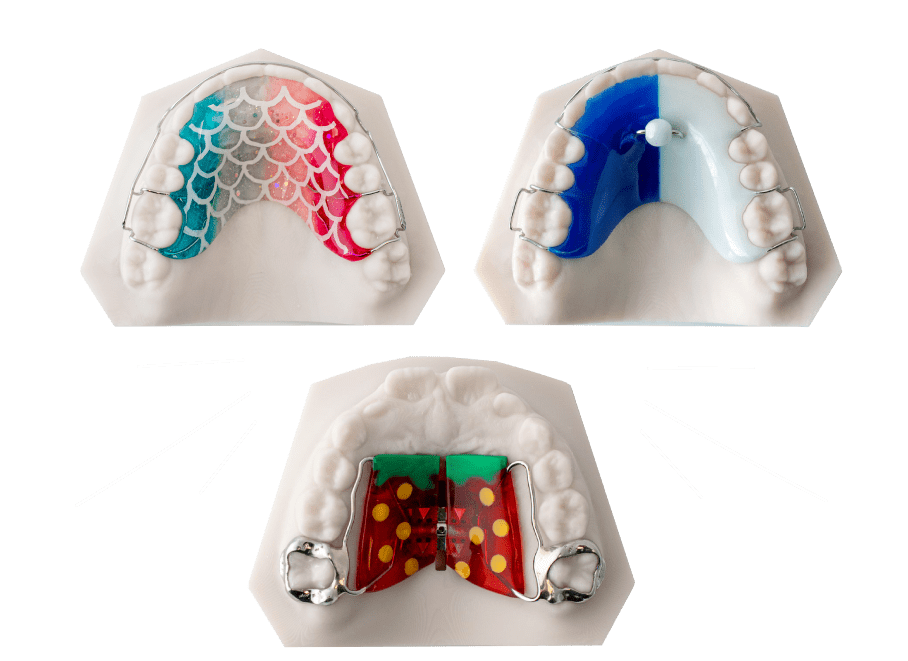
In manufacturing, a defect means a product that doesn’t meet specifications and needs to be scrapped or reworked. In your practice, this translates most directly to faulty patient appliances or hardware. A retainer that doesn’t fit right. A bracket that fails prematurely. An appliance that arrives damaged.
The costs here go beyond just replacing the item. You lose chair time making adjustments or seeing the patient again. Your schedule gets disrupted. And if it happens often enough, patients start to notice — which affects how they talk about you to friends and family.
What to do about it: Your lab partner matters more than most practice owners realize. Work with a manufacturer whose reputation is built on precision, not just speed or price. ODL, for example, has built their entire operation around consistency and accuracy because they understand what’s at stake on your end. Also worth doing: keep a simple log of defects you receive. After a few months, you’ll have real data on whether your current supplier is meeting acceptable standards or costing you more than you thought.
2. Overproduction
In a factory, overproduction means making more product than customers actually want. In a practice, it usually shows up as excessive supply ordering — cabinets full of materials you might use eventually, tying up cash that could be deployed elsewhere. It can also look like overbooking your schedule to the point where quality suffers and your team burns out.
What to do about it: Move toward ordering supplies based on actual usage patterns rather than gut feelings or fear of running out. A just-in-time approach — ordering what you need closer to when you need it — keeps less capital sitting on shelves. For scheduling, look honestly at your appointment data. Are you booking more patients than you can realistically see well? Optimizing your scheduling software helps, but only if you’re willing to set limits that protect quality.
3. Waiting
Time spent waiting is time not spent productively. In a practice, waiting happens constantly if you’re not paying attention. Staff waiting for equipment to finish sterilizing. The whole schedule backing up because a patient arrived twenty minutes late. Treatment delayed because an appliance shipment didn’t arrive when expected.
What to do about it: Some waiting is unavoidable, but much of it can be minimized with better planning. Schedule sterilization cycles during natural lulls in your day rather than right when you need instruments. Implement clear policies for late arrivals — kind but firm — so one patient’s tardiness doesn’t cascade through your entire afternoon. And critically, make sure your lab partner offers guaranteed turnaround times. If they can’t commit to a delivery date, you can’t commit to your patients. Ask what happens if they miss a deadline. A good partner will have a policy in place to make it right.
4. Non-Utilized Talent
This is the waste category that gets overlooked most often. If your team members have skills, experience, or ideas that aren’t being used, that’s wasted potential. The assistant who has great ideas for improving patient flow but has never been asked. The front desk person who could handle more responsibility but hasn’t been given the opportunity.
What to do about it: Create real opportunities for staff input on how the practice operates. Not suggestion boxes that get ignored, but actual conversations where ideas get heard and sometimes implemented. Invest in training that helps people grow beyond their current role. And recognize when someone goes above expectations to improve something — that kind of initiative should be rewarded, not just expected. The practices that get this right tend to have lower turnover and higher morale. The ones that don’t wonder why they keep losing good people.
5. Transportation
In manufacturing, transportation waste refers to moving materials around more than necessary. In your practice, it’s the unnecessary movement of supplies, equipment, or people from one place to another. It also applies to your supply chain — if your appliance manufacturer is located far away without reliable shipping, you’re adding risk and delay to every case.
What to do about it: Look at how your office is physically organized. Are frequently used supplies within easy reach of where they’re actually used? Or is someone walking across the office ten times a day to grab the same items? Design your workflows to minimize back-and-forth movement. For your lab partner, geography matters more than people think. Working with a supplier that has reliable logistics — or better yet, is located close enough that shipping delays are less of a concern — removes a variable you don’t need in your operations.
6. Inventory
Excess inventory feels like security, but it’s actually a liability. Supplies sitting in storage represent cash you can’t use for anything else. Materials can expire or become obsolete before you use them. And storage space itself has costs, even if they’re not obvious on your monthly statements.
What to do about it: Conduct honest inventory audits on a regular basis. How much of what’s in your supply closet has been sitting there for six months or longer? Adjust your ordering habits based on what you’re actually using, not what you think you might need someday. Just-in-time inventory practices require more frequent ordering but less capital tied up in supplies you’re not using yet.
7. Motion
Motion waste is different from transportation waste. Transportation is about moving things between locations. Motion is about the physical movements staff make while working — reaching, bending, searching, walking within a workspace.
If your team spends time looking for misplaced instruments, walking back and forth between workstations, or reaching for supplies that should be closer, that’s motion waste. It might seem trivial in any single instance, but it compounds across an entire day.
What to do about it: The 5S system offers a useful framework here. Originally another Japanese manufacturing concept, the five S’s stand for Sort, Set in Order, Shine, Standardize, and Sustain. In practice, it means removing items you don’t need from workspaces, organizing what remains so everything has a logical place, keeping things clean, creating standard procedures so everyone does things the same way, and maintaining these habits over time. It sounds simple because it is. The hard part is actually doing it consistently.
8. Extra-Processing
Extra-processing means doing more work than necessary to achieve a result. In a practice, this often shows up as redundant paperwork, unnecessary administrative steps, or procedures that don’t add value for the patient.
Are you having patients fill out forms that duplicate information you already have? Are there approval steps in your workflow that exist because “that’s how we’ve always done it” rather than because they’re actually needed? Is your team scheduling follow-up appointments out of habit rather than clinical necessity?
What to do about it: Review your administrative processes with fresh eyes. Better yet, ask a newer team member what seems unnecessarily complicated — they haven’t learned to accept inefficiencies as normal yet. Moving to digital records eliminates a lot of paper-based redundancy. And get in the habit of asking whether each step in a process actually adds value, or just adds time.
The Impact of Lean Manufacturing Principles on Dental and Orthodontic Practices
Thinking about your practice through the lens of lean manufacturing isn’t about turning your office into a factory. It’s about recognizing that waste exists in every operation, and that eliminating it frees up resources — time, money, energy, attention — for things that actually matter.
Most practices have significant room for improvement in at least three or four of these eight categories. Some have room in all of them. The good news is that you don’t have to fix everything at once. Pick the area where waste is most obvious or most costly, address it, and then move to the next one.
Partnering with manufacturers and suppliers who share this mindset helps. ODL, for instance, builds their operation around the same principles — minimizing defects, meeting guaranteed timelines, and giving you the visibility you need to plan your schedule with confidence. That kind of reliability matters when you’re trying to run a leaner practice.
The practices that commit to continuous improvement in these areas tend to see real results: better margins, less stress, smoother daily operations, and higher quality care. The ones that assume they’re already running efficiently usually aren’t. Worth asking yourself which category you fall into.